3 min read
Listen to this article
"Fed Day: How Many Rate Cuts Are Projected For 2026?"
Fed Day: How Many Rate Cuts Projected For 2026?
The Federal Reserve just wrapped up its March meeting, and while many were hoping for clearer signs of rate cuts, the Fed ultimately chose to hold rates steady. Let’s break down what happened, why it matters, and what it means if you’re thinking about buying or refinancing.
The Statement Breakdown
After its March meeting, the Federal Reserve chose to pause rather than cut rates. That alone wasn’t surprising. But the real insight comes from how their tone and language continue to evolve. Here are the key takeaways:
The economy is still holding up: The Fed continues to describe economic activity as solid, reinforcing that growth has not meaningfully slowed despite higher borrowing costs.
The labor market remains stable: Job growth is moderating but not collapsing, and unemployment remains relatively low, signaling resilience in the job market.
Inflation is still elevated: While inflation has cooled from its peak, the Fed made it clear it is not yet at their target and still requires monitoring.
Global factors are adding pressure: The ongoing war with Iran has driven oil prices sharply higher, which is already pushing up fuel costs and creating renewed upward pressure on inflation.
Caution is the theme: With inflation risks rising again due to energy prices, the Fed is taking a wait-and-see approach rather than rushing into cuts.
The SEP shows stronger conviction, not a big shift: Both the December projections and today’s update point to roughly one rate cut in 2026 based on the median forecast.
What actually changed: More Fed members have now clustered around the 3.25% to 3.50% range, signaling increased agreement that only one cut is likely rather than a wider range of outcomes.
Summary: The Fed is signaling patience, not urgency, especially as new inflation risks emerge from global events.
What This Means for Mortgage Rates
It’s easy to assume that no rate cut is bad news, but mortgage rates don’t move in lockstep with the Fed. Here’s what today’s decision really means:
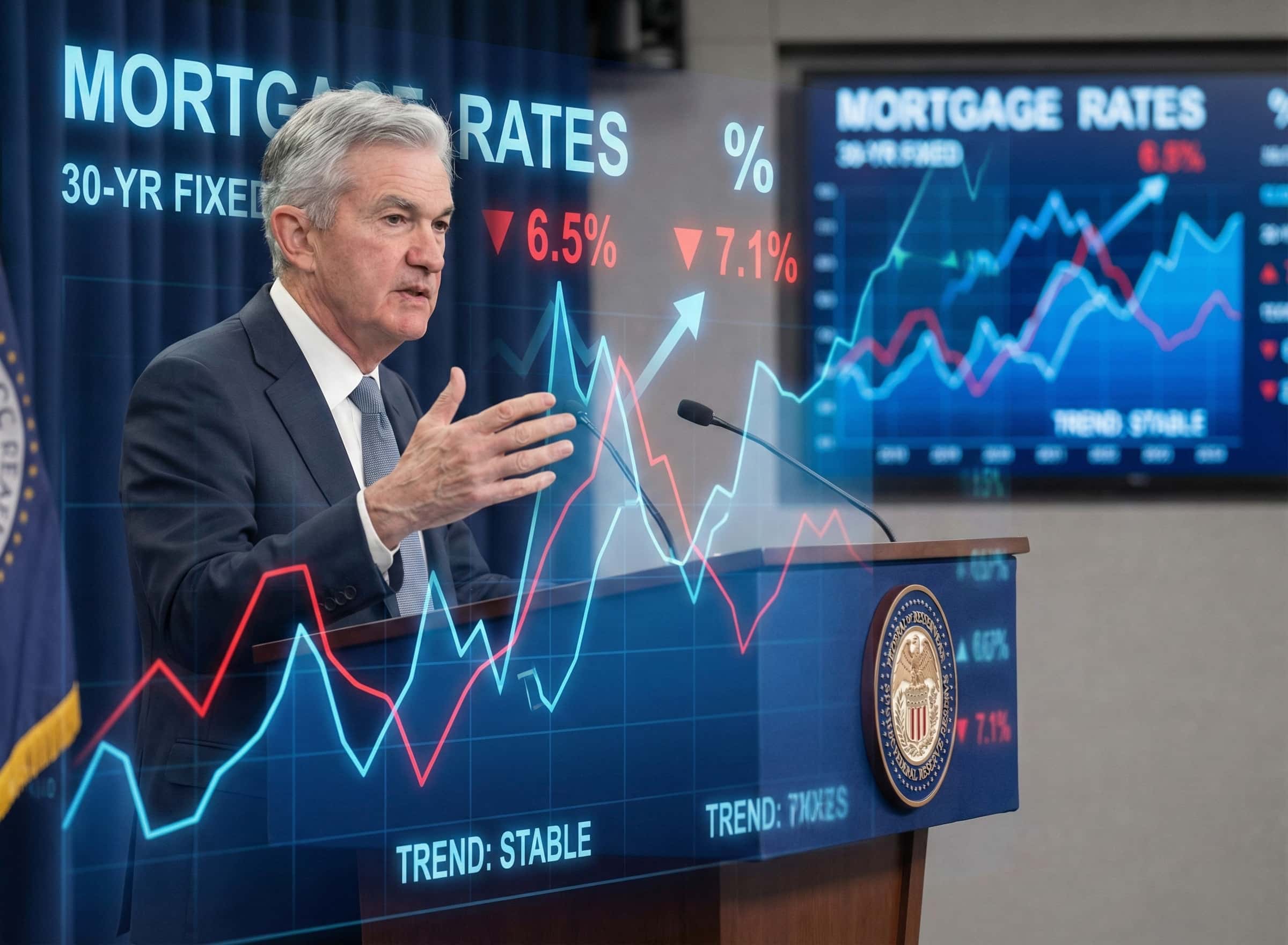
Mortgage rates remain volatile: Rates have been moving up and down leading into the meeting and continue to fluctuate based on economic data and market sentiment.
Rates are still improved from last year: Even with recent volatility, today’s rate environment is still more favorable compared to when rates were consistently above 7%.
The Fed doesn’t directly control mortgage rates: Mortgage rates are driven more by inflation expectations and market behavior than the Fed’s short-term rate decisions.
Summary: Mortgage rates may not drop immediately, but they are still in a much better position than they were just a year ago.
Should You Refinance?
Rates have changed. Calculate your potential monthly savings instantly with our Refinance Calculator.
Why Rates Didn’t Drop More
If the Fed didn’t raise rates, why didn’t mortgage rates improve more? Here’s what’s holding them back:
Inflation concerns are lingering: Until inflation is clearly trending down, markets will remain cautious.
Oil prices are adding new pressure: The war with Iran has disrupted global energy supply and pushed oil prices higher, which can ripple through the economy and keep inflation elevated.
Economic resilience reduces urgency: A stable economy gives the Fed less reason to cut quickly.
Market expectations have shifted: With fewer projected rate cuts, markets are adjusting accordingly.
Summary: The market had already priced in today’s decision, and rising oil-driven inflation is limiting how much rates can improve.
What This Means for Homebuyers
If you’re thinking about buying or refinancing, here’s how to interpret today’s update:
Rates may stay in this range for now: Instead of a rapid drop, we may see a more gradual and uneven path lower.
Waiting could be a gamble: If rates improve, competition could increase and push home prices higher.
Opportunities will come in windows: Rate improvements may happen in short bursts rather than a steady decline.
Summary: This is a stable market, but timing opportunities will matter more than ever.
The Bottom Line
The Fed is staying cautious because the economy is holding steady, but global factors like rising oil prices are adding new uncertainty to the inflation outlook. For buyers and homeowners, this creates a more stable environment, but one where staying prepared is key. The best opportunities often come when you are ready to act quickly.
Let’s Talk About Your Options
Don’t navigate this market alone. Whether you want to update your pre-approval, explore refinancing options, or understand how today’s decision impacts your buying power, we are here to help.
Reach out today and let’s build a strategy that keeps you ready for the next opportunity.
This blog post is intended for informational purposes only. It does not constitute financial advice, an offer to extend credit, or a commitment to lend. Mortgage rates, program guidelines, and qualification requirements can change at any time and may vary based on credit, income, assets, location, and property type. Always consult with a licensed mortgage broker to review your personal situation and available options.
Enjoyed this article?
Share it with your network