Listen to this article
"Did The Fed Pause On Rate Cuts Again?"
Did The Fed Pause On Rate Cuts Again?
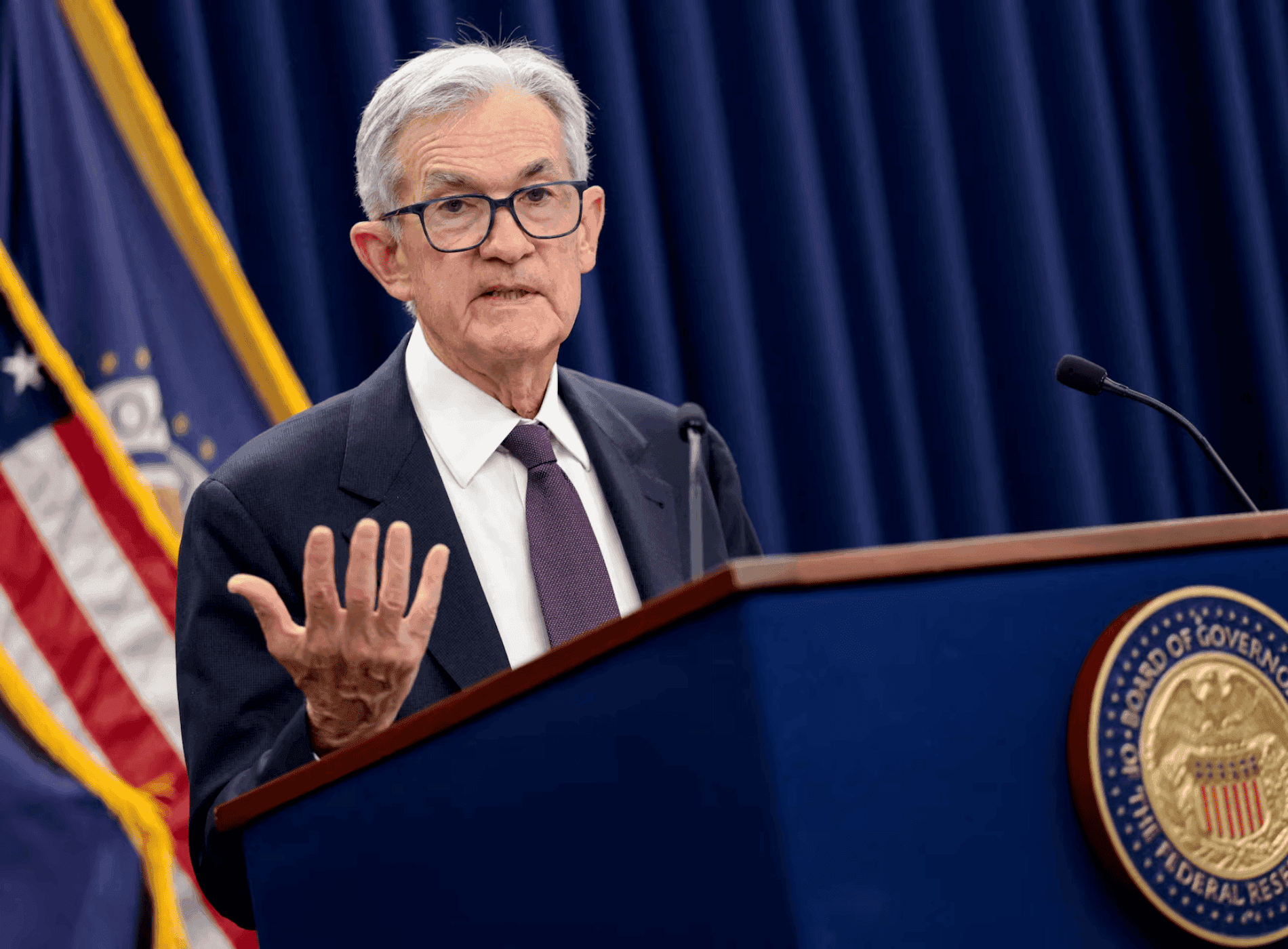
Today marked the third of eight scheduled rate meetings this year for the Federal Reserve, and as widely expected, policymakers voted to leave the benchmark federal funds rate unchanged. While many consumers hear "Fed meeting" and immediately assume mortgage rates should move lower, today's decision is a good reminder that the relationship between Fed policy and home loan rates is not quite that simple.
In fact, despite no change from the Fed this afternoon, mortgage rates have actually moved modestly higher over the last few days. So what is really happening, and what should buyers and homeowners be paying attention to now?
The Fed Held Rates Steady... Again
The Federal Reserve voted to keep its benchmark short-term interest rate in the 3.50% to 3.75% range, marking the third consecutive meeting this year with no adjustment. This was largely expected by Wall Street, as inflation remains sticky and economic uncertainty continues to give policymakers reason to stay patient.
Buying Your First Home?
Don't navigate the market alone. Get your personalized Home Financial Blueprint™ to see exactly what you can afford.
At first glance, a Fed hold may sound uneventful. But these meetings are less about the actual move and more about the messaging behind what comes next.
Today's statement showed that while the Fed still acknowledges the possibility of future rate cuts later this year, officials are becoming increasingly cautious about committing to any near-term timeline. Several voting members pushed back on softer language, showing that the committee is far less unified than it appeared just a few months ago.
Translation: the Fed is still open to lowering rates eventually, but they are in no rush.
Why Mortgage Rates Went Up This Week
This is where many consumers get confused.
Mortgage rates do not move in lockstep with the federal funds rate. The Fed controls overnight bank lending, while mortgage rates are primarily driven by the bond market, particularly mortgage-backed securities and the 10-year Treasury.
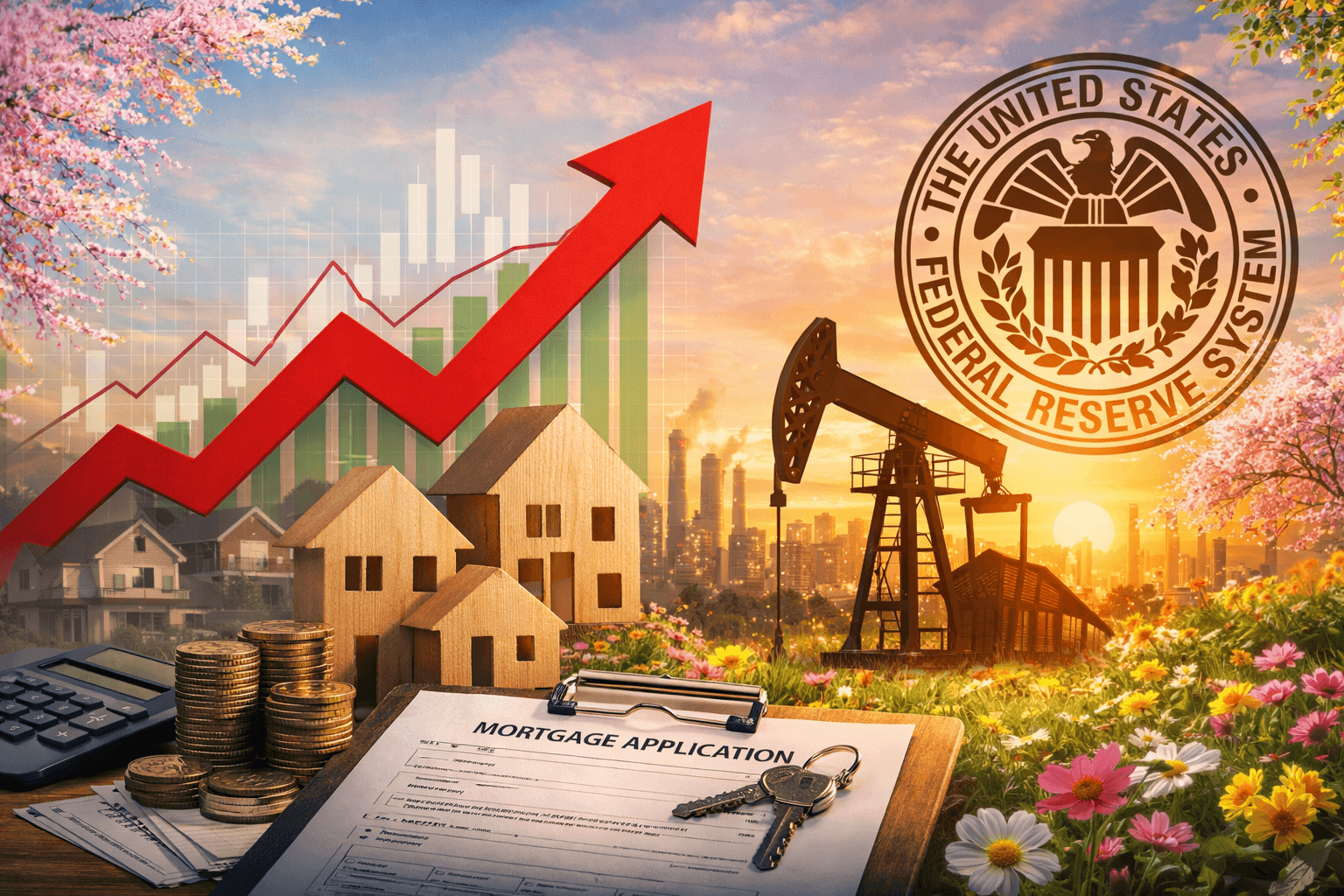
Over the last several sessions, investors have pushed bond yields higher because of:
renewed inflation concerns
rising oil and energy prices
uncertainty surrounding global conflict
reduced confidence that the Fed will cut rates quickly
profit taking after mortgage rates touched their best levels earlier this spring
When bond prices fall, mortgage rates rise. That is exactly what we have seen this week.
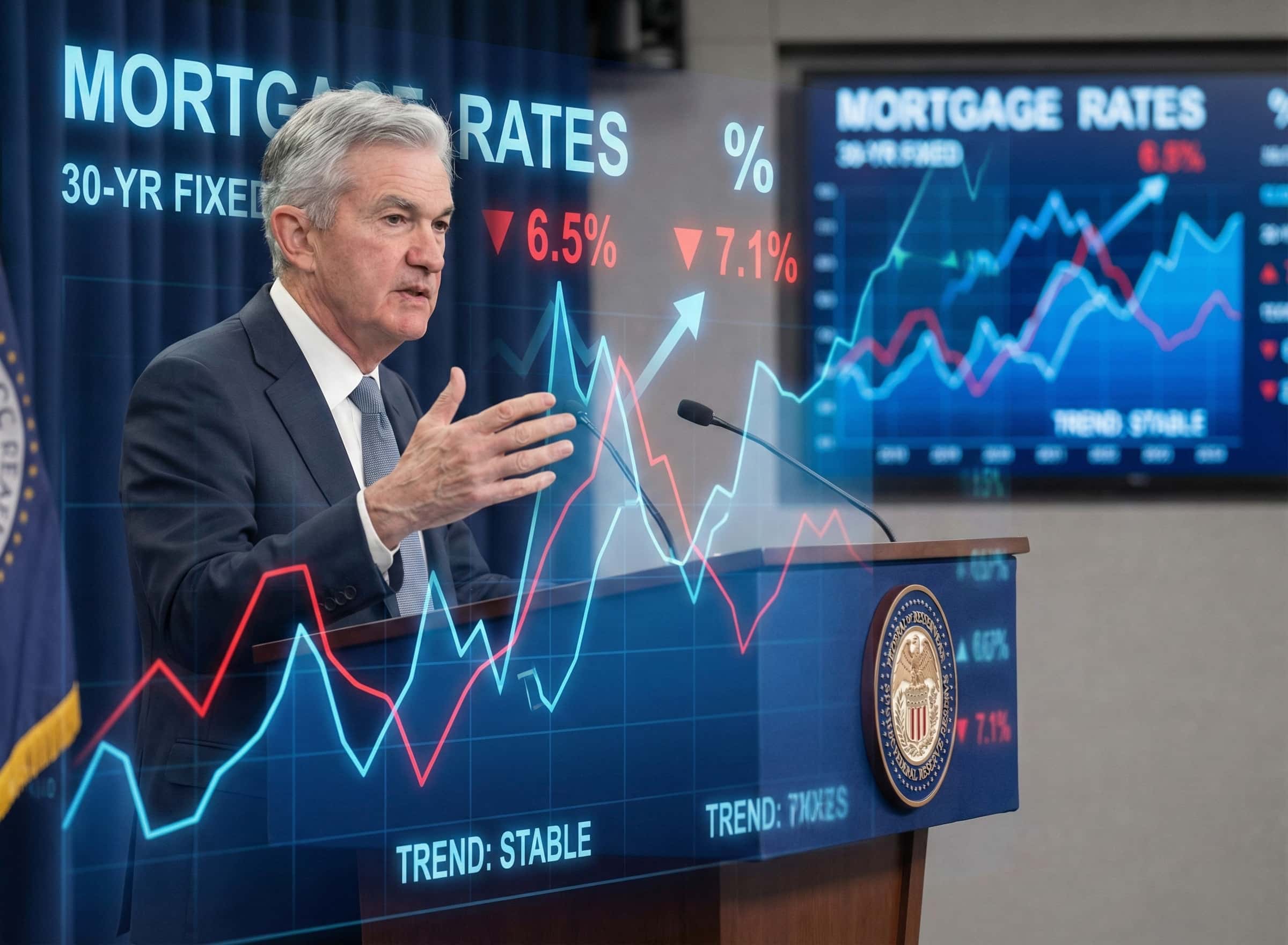
Mortgage News Daily reported average top-tier 30-year fixed mortgage pricing climbing from the low 6% range back toward roughly 6.5% heading into today's Fed announcement.
So even though the Fed did nothing today, the market had already repriced expectations upward.
Fed Funds Rate vs Mortgage Rates: Not the Same Thing
This is one of the most important concepts for homebuyers to understand.
The federal funds rate affects:
Credit Cards
Home Equity Lines
Savings Yields
Short-term Borrowing
Mortgage rates, however, are based much more on long-term inflation expectations and investor appetite for bonds.
That means:
The Fed can cut rates and mortgage rates may still rise
The Fed can hold rates steady and mortgage rates may improve
Markets often move before the Fed ever makes an official decision
In other words, mortgage rates are forward-looking.
They react less to what the Fed did today and more to what investors believe the Fed will be forced to do over the next 6 to 12 months.
What the Market Will Watch Next
Now that today's Fed meeting is behind us, investors quickly turn their focus toward the next major economic reports:
Inflation Readings
Employment Data
Consumer Spending
Global Energy/Oil Costs
June Fed meeting commentary under a changing leadership backdrop
If inflation begins cooling again, mortgage rates still have room to improve later this year.
But if inflation remains stubborn or geopolitical concerns continue pushing Treasury yields upward, we could continue seeing this short-term bounce higher in mortgage pricing.
For now, the biggest takeaway is this: Today's Fed hold was expected. The more meaningful development was the Fed sounding less confident about imminent cuts, and the bond market reacting accordingly.
Final Takeaway
Many buyers have been waiting for the Fed to "cut rates" before making a move, but today's meeting is another reminder that mortgage markets don't wait for headlines.
Mortgage rates are influenced by inflation, investor sentiment, bond trading, and future economic expectations just as much as the Fed itself.
While we have seen a slight bump higher this week, rates remain meaningfully improved from where they sat for much of last year, and opportunities still exist for buyers who stay prepared and shop strategically.
If you're wondering how today's market movement affects your purchasing power, refinance opportunity, or monthly payment, our team is happy to run live numbers for your scenario.
Homeseed Lending Team, powered by Barrett Financial Group, L.L.C., NMLS #181106. Licensed in AZ, CA, FL, NV, OR, TX, WA. Equal Housing Lender. This article is for informational purposes only and does not constitute an offer to extend credit.
This blog post is intended for informational purposes only. It does not constitute financial advice, an offer to extend credit, or a commitment to lend. Mortgage rates, program guidelines, and qualification requirements can change at any time and may vary based on credit, income, assets, location, and property type. Always consult with a licensed mortgage broker to review your personal situation and available options.
Enjoyed this article?
Share it with your network